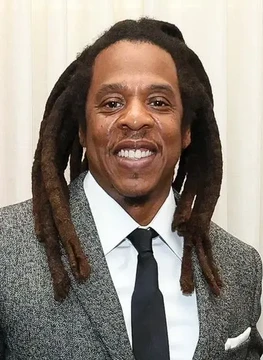
Forbes Billionaire Status
The first hip-hop artist to officially cross the billion-dollar threshold.

This entry documents the historic financial milestone achieved by Shawn Carter, widely known as Jay-Z. Recognized by Forbes magazine, this status marks the moment he became the first hip-hop artist to officially enter the billionaire class. It is not merely a measure of wealth but a testament to decades of strategic business maneuvering alongside his musical output. The achievement redefined the economic ceiling for artists within the genre. By prioritizing ownership over royalties, Carter transformed his brand into a diversified conglomerate. This record stands as a pillar in the lore of modern entertainment economics, symbolizing the transition from performer to proprietor.
- Subject
- Shawn Carter (Jay-Z)
- Milestone
- First Hip-Hop Billionaire
- Recognition Body
- Forbes Magazine
- Primary Ventures
- Roc Nation, Liquor Brands
- Status
- Active Mogul
Lore & Background
In the early days of hip-hop, wealth was often fleeting, tied strictly to album cycles and touring revenue. Carter recognized that true security lay in equity. He began acquiring stakes in ventures ranging from sports management to luxury spirits. This approach insulated his finances from the volatility of the music industry. The announcement by Forbes sent ripples through the cultural landscape. It validated the hustle mentality preached in countless verses as a viable path to generational wealth. Other artists began restructuring their contracts, seeking ownership rather than just advances. This status also highlights the importance of longevity. Unlike flash-in-the-pan successes, Carter's empire grew over thirty years. It demonstrates that sustained relevance allows for compounding interest on both reputation and capital, creating a legacy that outlasts any single hit record.
In Their Own Story
The city skyline blurred through the floor-to-ceiling glass. He set down the pen, the ink still wet on the final page of the contract. No applause was needed; the silence spoke louder than any stadium roar. A glass of Ace of Spades sat untouched beside him, its condensation pooling on the mahogany desk. This number wasn't about the money anymore. It was proof that the hustle had finally outpaced the odds. He turned to face the night, knowing the game had changed forever for everyone watching from the shadows behind him.
Reader's Guide
This record signifies more than personal wealth; it represents a paradigm shift in hip-hop economics. Historically, artists earned primarily from album sales, but Carter built a vast empire through strategic ownership stakes. His acquisition of equity in premium liquor brands like Ace of Spades and D'Ussé, plus his early bet on the streaming service Tidal, diversified income far beyond traditional touring revenue. This milestone validated business acumen as equal to musical talent within the culture, changing how record labels view artist partnerships. It paved the way for peers to prioritize asset accumulation over mere paycheck generation during their peak years. The recognition highlights longevity, proving a career can span decades while growing financial value exponentially through reinvestment. Ultimately, this status cements his legacy not just as a lyricist, but as an architect of modern black capitalism and entertainment industry infrastructure.
Did You Know?
- As of March 2026, seven music artists have reached billionaire status on Forbes reports, with Jay-Z leading the list at $2.8 billion.
- Jay-Z is listed as the wealthiest musician on Forbes, ahead of Taylor Swift (richest female musician) and Rihanna (first female artist to become a billionaire).
- Forbes lists are dominated by American artists; musicians of other nationalities, like Celine Dion, have built their wealth predominantly in the U.S.
- When Forbes 400 Richest Americans debuted in 1982, Yoko Ono was the only musician listed, with a net worth of $155 million (equivalent to $500 million in 2025), largely from Beatles royalties.
- In 1991, Forbes estimated Michael Jackson's net worth at $230 million (equivalent to $544 million in 2025), making him the wealthiest musician and second-wealthiest entertainer behind Bill Cosby.
More in Awards & Records
Elsewhere in the Jay-Z universe
Spotted an error? Know more?
This is a living reference — every entry is fact-audited, and reader corrections feed straight into our audit queue. Suggest an edit · See this site's audit record