Can't Be Touched
A gritty guitar riff and a defiant hook, pulled from Ice-T, frame a story of rap critics, racial profiling, and a contest of wills with the law.

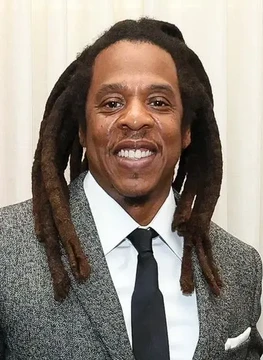
"99 Problems" is the third single released by American rapper Jay-Z from The Black Album. It was released on April 27, 2004. The song reached number 30 on the Billboard Hot 100. The track was produced by Rick Rubin, his first hip hop production in many years, using a guitar riff and stripped-down beat that were once Rubin's trademarks.
- Artist
- Jay-Z
- Album
- The Black Album
- Release Year
- 2004
- Producers
- Rick Rubin
- Label
- Not applicable (single release; not on *The Blueprint 3*)
- Theme
- Unmatched Skill & Resilience
Verified Timeline
Lore & Background
The chorus of "I got 99 problems, but a bitch ain't one" is taken from the Ice-T song "99 Problems", from the album Home Invasion (1993). The original song was more profane and describes a wide range of sexual conquests. The hook was coined during a conversation between Ice-T and Brother Marquis of the Miami-based 2 Live Crew. Marquis also used the phrase in the 1996 2 Live Crew song "Table Dance". Ice-T would re-record his version of the song with the Rubin/Jay-Z guitar riff for Body Count's 2014 album Manslaughter in order to "reclaim" the hook from being mis-attributed to Jay-Z. Jay-Z begins his third verse directly quoting lines from Bun B's opening verse off the track "Touched" from the UGK album Ridin' Dirty.
In Their Own Story
The second verse, describing Jay-Z's traffic stop, was based on an actual experience of Jay-Z in the 1990s in New Jersey. He wrote that in 1994, when he was pulled over by police while carrying cocaine in a secret compartment in his sunroof. He refused to let the police search the car and the police called for drug-sniffing dogs. However, the dogs never showed up and the police had to let him go. Moments after he drove away, he saw a police car with the dogs drive by. In a discussion at the Celeste Bartos Forum at the New York Public Library, Jay-Z described the second verse of the song as representing "a contest of wills" between the car's driver who is "all the way in the wrong" for carrying illegal drugs, and a racist police officer who pulls over the driver not for any infraction but for being African American. "Both guys are used to getting their way" and thus reluctant to back down, Jay-Z notes, and the driver "knows a bit about the law because he's used to breaking it" and asserts his legal rights.
Reader's Guide
The lyrics function as a series of rhetorical questions turned into definitive answers, challenging any opponent to find a flaw in his game plan. The phrase 'can't be touched' operates on multiple levels: it refers to his lyrical agility, his financial success, and his ability to navigate the music industry without being compromised by external pressures. The production relies heavily on a sample from the 1970s soul classic "I Got My Eyes On You" by The Stylistics. This choice is deliberate; the smooth, romantic undertone of the original sample contrasts sharply with the aggressive delivery of the rapper, creating a tension that highlights his dominance over the track. Kanye West's contribution to the beat adds layers of strings and atmospheric depth, elevating the song from a standard diss track into an anthem. The interplay between the vintage soul sample and modern hip-hop production techniques demonstrates the artist's ability to curate sounds that transcend time periods.
Did You Know?
- The song's hook was coined during a conversation between Ice-T and Brother Marquis of 2 Live Crew.
- Jay-Z's second verse is based on a real 1994 incident where he was pulled over in New Jersey while carrying cocaine in his sunroof.
- The song won Best Rap Solo Performance at the 47th Grammy Awards.
- During Barack Obama's 2009 inauguration staff ball, Jay-Z changed the lyrics to 'I got 99 problems but a Bush ain't one.'
- Professor Caleb Mason of Southwestern Law School wrote a line-by-line legal analysis of the second verse, noting both accurate and inaccurate depictions of Fourth Amendment law.
Production and Musical Genesis
Released as the third single from *The Black Album* in April 2004, this track marked a significant return to hip-hop for producer Rick Rubin. After years away from the genre, Rubin crafted a stripped-down beat anchored by a gritty guitar riff, utilizing classic 1980s samples including Billy Squier's "The Big Beat," Mountain's "Long Red," and Wilson Pickett's "Get Me Back On Time." Notably, Dizzee Rascal had previously utilized the same Squier drum loop for his 2003 hit "Fix Up, Look Sharp," predating Jay-Z's release. The production style reflected Rubin's signature minimalism, allowing the raw vocals and narrative to take center stage without cluttered instrumentation. This sonic approach helped propel the song to number 30 on the Billboard Hot 100, establishing it as a critical and commercial cornerstone of Jay-Z's final studio album before his initial retirement.
Lyrical Origins and Intertextuality
The track's iconic hook, "I got 99 problems, but a bitch ain't one," was not an original creation by Jay-Z but rather derived from Ice-T's 1993 song of the same name on *Home Invasion*. The phrase originated during a conversation between Ice-T and Brother Marquis of 2 Live Crew, who also utilized it in their 1996 track "Table Dance." While Ice-T's original version focused heavily on sexual conquests, Jay-Z repurposed the line to address broader societal conflicts. In a move to reclaim ownership of the phrase, Ice-T later re-recorded his version using Rubin's guitar riff for Body Count's 2014 album *Manslaughter*. Additionally, Jay-Z wove in direct homages to other artists; he quoted Bun B from UGK's "Touched" in his third verse and echoed Trick Daddy's earlier usage of the title on his 2001 album *Thugs Are Us*, creating a dense web of hip-hop history within the lyrics.
The Traffic Stop Narrative
The song's second verse, detailing a tense encounter with law enforcement, stands as its most analyzed segment. Based on a real incident in New Jersey during 1994, Jay-Z recounts being pulled over while transporting cocaine hidden in his sunroof. He refused consent for a search, leading the officers to call for drug-sniffing dogs that never arrived, forcing them to release him just before the K-9 unit appeared. In his book *Decoded*, Jay-Z clarified that the "bitch" in this specific verse refers to the police dog rather than a person. He framed the encounter as a psychological battle of wills between a criminal who knows the law and a racist officer acting on profiling. This narrative has been scrutinized by legal scholars, including Professor Caleb Mason, who noted that while some lyrics reflect prudent legal behavior regarding consent, others contain inaccuracies about search warrants and vehicle exits under U.S. Fourth Amendment jurisprudence.
Cultural Impact and Legacy
Since its release, the song has achieved monumental critical acclaim, ranking number two on *Rolling Stone*'s list of top songs of the 2000s and securing a spot at number 172 on their updated 500 Greatest Songs of All Time. It also won Best Rap Solo Performance at the 47th Grammy Awards. The track transcended music to become a political tool; during Barack Obama's inauguration staff ball in 2009, Jay-Z altered the lyrics to "I got 99 problems but a Bush ain't one," and later modified them for a 2012 rally to target Mitt Romney. Even President Obama referenced the song at the White House Correspondents' Dinner regarding Jay-Z's travel controversies. The song's influence extended to covers, including a unique version by Barry Chuckle of The Chuckle Brothers, which host Scott Mills claimed was superior to the original, cementing its status as a versatile cultural touchstone.
Frequently Asked Questions
What is 'Can't Be Touched' and who performs it?
This track is a confident anthem performed by Jay-Z, released in 2009 as the centerpiece of his album *The Blueprint 3*. It serves as a bold declaration that no rival can match his lyrical precision or business success.
Who produced the beat for 'Can't Be Touched'?
The song features production from two legendary figures, Just Blaze and Kanye West. Their collaboration created a sonic foundation that supports Jay-Z's themes of unshakeable confidence.
What is the main theme of the lyrics in this song?
The lyrics focus on the artist's unmatched skill and resilience against critics or competitors. It acts as a personal manifesto asserting his invincibility during a major career transition.
On which album can fans find 'Can't Be Touched'?
You will find this track on *The Blueprint 3*, an album that marked Jay-Z's strategic rebranding after leaving Roc-A-Fella Records. It highlights his new chapter under the Def Jam and Roc Nation labels.
Why is this song considered important in Jay-Z's discography?
It stands as a monumental statement of invincibility that defined his artistic tone during a pivotal era. The track solidified his status by blending personal growth with a confident assertion of dominance.
More in Lyrics & Samples
Elsewhere in the Jay-Z universe
Spotted an error? Know more?
This is a living reference — every entry is fact-audited, and reader corrections feed straight into our audit queue. Suggest an edit · See this site's audit record