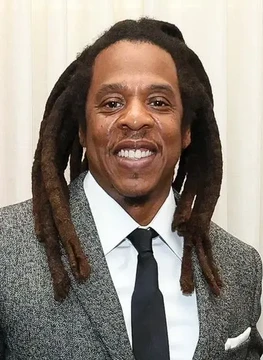
100+ Million Records Sold Worldwide
One hundred million records, one Brooklyn voice, and the hip-hop world forever changed.

Selling more than 100 million records worldwide stands as one of the most staggering commercial milestones in modern music history, and Jay-Z (Shawn Corey Carter) is widely recognized as the first hip-hop artist to cross that threshold. The figure encapsulates nearly three decades of relentless output, from the raw East Coast energy of his 1996 debut through the polished, genre-defying projects of the 2010s and beyond. In the broader narrative of popular music, the 100-million-plateau is a benchmark usually reserved for a handful of legacy acts across all genres. For a rapper from Brooklyn to claim it—before the streaming era reshaped how 'sales' are even measured—cements Jay-Z's status as a cultural institution whose commercial gravity rivals any rock or pop icon of the preceding generations.
- Artist
- Jay-Z (Shawn Corey Carter)
- Milestone
- 100+ million records sold worldwide
- Genre
- Hip-hop / Rap
- Hometown
- Brooklyn, New York
- Label Affiliation
- Roc-A-Fella Records (co-founder), Roc Nation (founder)
- Debut Album
- Reasonable Doubt (1996)
- Notable Distinction
- First hip-hop artist to surpass 100 million in recorded sales
Lore & Background
The path to 100 million units was never a single explosive hit but a sustained, decade-spanning campaign of album after album, each one reinforcing the last. Starting with the gritty, self-assured 'Reasonable Doubt' in the mid-1990s, Jay-Z built a catalog that treated every release as a statement. The late '90s and early 2000s saw him dominate the East Coast hip-hop scene, co-founding Roc-A-Fella Records and turning the label into a cultural hub that also launched the careers of artists like Kanye West and Alicia Keys. Each platinum and multi-platinum album stacked the total higher, year after year, until the cumulative figure became almost abstract in its size. What makes the milestone particularly resonant for fans is the context: hip-hop in the 1990s was still fighting for mainstream legitimacy, and the idea that a rapper could match the lifetime sales of a Beatles-level legend was, to many, unthinkable. Jay-Z's steady accumulation of platinum certifications—reportedly fourteen consecutive albums reaching platinum status—turned what was once a novelty into a new normal, proving that rap could sustain top-tier commercial performance across an entire career rather than a single breakout period. By the time streaming began to redefine the industry's economics, Jay-Z had already banked his 100 million. The number became shorthand for a certain era of physical and digital album sales, a golden window in which a devoted fan base could still drive an artist to historic totals through repeated purchases, mixtapes, and the sheer force of cultural presence.
In Their Own Story
The studio lights hummed a low amber glow over the mixing board. Outside, the Brooklyn skyline was just a smear of sodium-orange against a November sky, but in here the air smelled of cold coffee and heated debate. Jay-Z leaned back in the leather chair, one boot on the console, watching the engineer nudge a fader. The track had been cut three times. The label wanted something safer. He wanted something that would make a kid in a parking lot in Queens feel like the whole world owed him an apology. He tapped his knee to the beat, counted four bars in his head, and said, 'Run it back. And this time, make it hurt.' The engineer smiled. They both knew the record would sell. They both knew it would matter. And somewhere in the back of the room, a young intern scribbled the take number on a sticky note, not yet understanding that she was witnessing the next brick in a wall that would eventually stretch past a hundred million high.
Reader's Guide
SALES MILESTONE Jay-Z is widely cited as the first hip-hop artist to sell more than 100 million records globally, a threshold previously held almost exclusively by legacy rock and pop acts. The figure was reached over roughly two decades of consistent album releases, making it a career-long accumulation rather than a single-event spike. CHART DOMINANCE He reportedly achieved fourteen consecutive platinum-certified albums, a run that underscored the depth of his catalog. Multiple studio albums debuted at number one on the Billboard 200, and a string of number-one singles kept him at the top of the radio and charts well into the 2010s, long after the peak of the '90s rap era. CEREMONY & RECOGNITION Jay-Z has collected numerous Grammy Awards across categories including Best Rap Performance and Best Rap Album, cementing critical and commercial validation at the industry's highest level. His influence has been acknowledged through major music-industry honors and his role as a mentor and executive through Roc-A-Fella and later Roc Nation, where he shaped the careers of artists like Kanye West, Alicia Keys, and Beyoncé. The 100-million mark, in context, is not just a number—it is the commercial footprint of an artist who turned hip-hop from a countercultural voice into a mainstream economic force.
Did You Know?
- Jay-Z co-founded Roc-A-Fella Records in the mid-1990s, and the label went on to launch or amplify the careers of artists including Kanye West and Alicia Keys, making the 100-million milestone partly a label-wide phenomen
- His 14 consecutive platinum albums span a period when the music industry was still dominated by physical CD and vinyl sales, making the achievement a product of a specific commercial era.
- Jay-Z's entrepreneurial ventures—spanning champagne, fashion, and a music-streaming platform—mean his brand revenue far exceeds what record sales alone would suggest, adding layers to the commercial story behind the 100-
- The 100-million-records benchmark predates the streaming era, meaning it was achieved in a market where each album represented a discrete, purchasable product rather than a fraction of a monthly subscription.
More in Awards & Records
Elsewhere in the Jay-Z universe
Spotted an error? Know more?
This is a living reference — every entry is fact-audited, and reader corrections feed straight into our audit queue. Suggest an edit · See this site's audit record