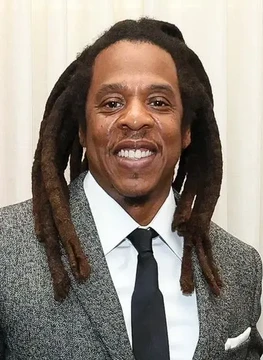
The Black Album Retirement Hiatus
When Jay-Z silenced the mic, the boardroom became his new stage—and he built an empire in the quiet.

The Black Album Retirement Hiatus marks a pivotal chapter in the saga of Shawn Carter, widely known as Jay-Z, occurring after the release of his landmark final studio project intended to signal the end of his recording career. This period represents a deliberate pause in his musical output, serving not as an abandonment of art but as a strategic withdrawal to focus on empire-building and legacy consolidation. It is a time when the rapper stepped back from the microphone to step forward into the boardroom, redefining what it means for a hip-hop icon to evolve beyond performance.
- Subject
- Jay-Z (Shawn Carter)
- Key Event
- Announced Retirement
- Preceding Work
- The Black Album
- Primary Focus During Hiatus
- Business Ventures and Management
- Status
- Returned to Music Activity
Lore & Background
The hiatus was not merely an absence but a transformation period where the persona of 'Hova' evolved into a titan of industry. While fans scanned the horizon for a return, the artist quietly laid the groundwork for future ventures that would eventually reshape the music business landscape itself. This era solidified his reputation as a mogul who understood that true power lies not just in selling records, but in owning the infrastructure that distributes them.
In Their Own Story
The studio lights were dimmed for good, or so it seemed, as the final track of *The Black Album* faded into silence. In the quiet that followed, the sound of boardroom negotiations replaced the beat of a drum machine. He walked away from the booth with a sense of closure, leaving behind a legacy etched in vinyl and gold records. Yet, in the shadows of his new offices, a different kind of rhythm began to pulse—the steady heartbeat of an empire being forged in real-time, waiting for the day he would decide to speak again.
Reader's Guide
The career begins with street-level storytelling in Brooklyn, establishing a foundation built on gritty realism and entrepreneurial hustle. A mid-career shift sees the artist transitioning from a local figurehead to a global superstar, refining his flow while simultaneously launching major business ventures like Roc-A-Fella Records. Following the release of *The Black Album*, the trajectory changes dramatically as he announces retirement, shifting focus entirely to high-stakes investments and brand acquisitions during the hiatus years. The final evolution involves a triumphant return to music, blending decades of experience with new sonic landscapes while maintaining his status as a dominant cultural force.
Did You Know?
- The album that preceded this hiatus was famously designed to be his absolute final studio release at the time.
- Contrary to some reports, his involvement with Ace of Spades champagne began in 2006 and D'Ussé cognac launched in 2012—both well after this 2003–2006 retirement period.
- He utilized this period to become a minority owner of the New Jersey Nets in 2004, though he did not purchase or rebrand the team.
Early Life and Origins
His upbringing took place within the Marcy Houses of Bedford–Stuyvesant, a location shared with his future musical partner Jay-Z. The moniker 'Memphis' honored pimps and served as an acronym for making easy money, while 'Bleek' originated from his sister's childhood pronunciation of Malik. He became one of the inaugural artists signed to Roc-A-Fella Records in the late nineties, positioning himself as a protégé to Jay-Z. His initial exposure occurred on tracks like Coming of Age and Can I Live II during the Reasonable Doubt era. This foundational period established his presence within the New York hip-hop scene before he launched his own imprint, Get Low Records, in 1998.
Roc-A-Fella Discography
Bleek released four major studio albums through Roc-A-Fella between 1999 and 2005. His debut, Coming of Age, debuted at number seven on the Billboard 200 with significant sales, earning gold certification alongside its follow-up, The Understanding. He frequently collaborated with Jay-Z across multiple albums during this period. However, his momentum paused for three years between releases to care for an older brother injured in a motorcycle accident. Singles like Is That Yo Chick achieved notable chart success. Despite these achievements, the rapper eventually departed Roc-A-Fella in 2009 after being encouraged to manage his own company with proper distribution deals available.
The Hiatus and Return
Following his departure from the major label, Bleek entered a prolonged period without a studio album. In fall 2005, he announced intentions to record The Process, describing it as a make-or-break classic project that required perfection before release. Although promotional singles like Hustla surfaced during this timeframe, the album remained unreleased for over two decades. During this gap, he maintained activity through free mixtapes such as The Movement and Kush Vol. 2, which garnered substantial digital downloads. He also performed live, notably serving as a hype man at festivals in Sweden. This fifth studio album featured collaborations with Benny the Butcher and Smoke DZA, marking his first major release since leaving the Roc-A-Fella fold nearly twenty years prior.
Ventures and Personal Life
Beyond music, Cox expanded into entrepreneurship and acting. He founded Warehouse Music Group in 2016 after receiving approval from Jay-Z, signing artists like Casanova and Manolo Rose. Although the label generated buzz with singles featuring Chris Brown, Bleek announced its dissolution as a formal entity by July 2026 while maintaining family ties. His filmography includes starring roles in State Property and Paper Soldiers during the early 2000s, alongside video game appearances. Personally, Cox married Ashley Coombs in New Jersey in 2014 with Jay-Z attending the ceremony. He is a father to two children, including a son born in 2002 and a daughter announced in 2018. Additionally, he is related by blood to fellow Brooklyn rapper Sean Price, further cementing his deep roots within the local hip-hop community.
Frequently Asked Questions
What defined the start of this retirement period?
It began in 2003 when Jay-Z announced The Black Album would be his final studio record before stepping away from recording. This declaration signaled a planned transition rather than an abrupt disappearance from the industry.
Why did he decide to pause his music career?
He aimed to shift his energy toward building business ventures and managing his growing empire. Stepping back allowed him to redefine his legacy beyond just being a performing rapper.
Was this retirement permanent for Shawn Carter?
No, the hiatus was temporary despite initial claims that he would never record again. He eventually returned to release new albums after focusing on his commercial interests.
What activities occupied him during this break?
Jay-Z concentrated on entrepreneurship, including investments and launching management companies like Roc Nation. This period established his reputation as a mogul who operated successfully outside of the studio.
How is this era viewed in fan history today?
It is seen as a strategic pivot that secured his long-term wealth and influence in hip-hop culture. Fans recognize it as the time he evolved from an artist into a multifaceted industry leader.
More in Eras & Timeline
Elsewhere in the Jay-Z universe
Spotted an error? Know more?
This is a living reference — every entry is fact-audited, and reader corrections feed straight into our audit queue. Suggest an edit · See this site's audit record