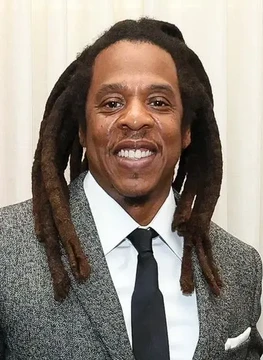
Roc-A-Fella Ventures
Three guys, one mic, and the ambition to own the whole game.

Roc-A-Fella Records was the independent hip-hop label co-founded by Shawn 'Jay-Z' Carter, Damon Dash, and Kareem 'Biggs' Burke in 1995 out of New York City. It became one of the most influential rap imprints of the late 1990s and early 2000s, home to a roster that defined the East Coast sound during a pivotal era of the genre. The label's name—'Roc-A-Fella,' a nod to the 'Roc' (rock) and the 'Fella' (guy)—captured the street-smart, no-nonsense identity its founders carried into the studio and the boardroom. More than a mere distribution outlet, Roc-A-Fella functioned as a creative ecosystem: a place where artists like Beanie Sigel, Cam'ron, The LOX, Memphis Bleek, and Foxy Brown could develop their voices under the guidance of a team that treated rap as both art and enterprise. Its rise and eventual dissolution in the mid-2000s mirror the broader story of how hip-hop's independent spirit collided with corporate consolidation, and how one artist's ambition to own his narrative reshaped the industry's power map.
- Founded
- 1995
- Founders
- Jay-Z, Damon Dash, Kareem 'Biggs' Burke
- Headquarters
- New York City, New York
- Notable roster
- Jay-Z, Beanie Sigel, Cam'ron, The LOX, Memphis Bleek, Foxy Brown
- Early distribution partner
- Arista Records
- Status
- Inactive (wound down circa 2003–2004)
Lore & Background
The story of Roc-A-Fella begins in the raw, pre-internet world of mid-90s New York, where mixtapes passed hand-to-hand and a record deal meant everything or nothing. Jay-Z, then still building his reputation as a lyricist and a hustler, teamed with Damon Dash—his business-minded partner with a keen eye for branding—and Biggs Burke, whose ear for talent and deep ties to the Brooklyn scene made him the label's A&R backbone. Together they pooled modest capital, a shared apartment that doubled as an office, and an unshakeable belief that they could build something that answered to no one but themselves. The label's golden years coincided with the East Coast rap renaissance. Jay-Z's solo work anchored the catalog, while the supporting cast—Sigel's gritty storytelling, Cam'ron's Ghetto Fabulous swagger, the LOX's competitive fire, Memphis Bleek's melodic runs, Foxy Brown's unapologetic presence—gave Roc-A-Fella a sound that was distinctly New York: dense, rhythmic, and unapologetically street. The label's visual identity, its merch, its presence at block parties and radio shows, all reinforced a world where the 'Roc' was a badge of loyalty and quality. The unraveling came not from a single blow but from the slow grind of creative and financial friction. As Jay-Z's profile grew into a global brand, the label's structure—built for a smaller operation—strained under the weight of his ambitions. The business partnership with Dash soured, legal disputes followed, and by the early 2000s the roster had thinned. Jay-Z eventually departed to build Roc Nation, a larger, more diversified entertainment company, and the Roc-A-Fella name faded into the annals of hip-hop history. Yet for a generation of fans, those late-90s and early-2000s releases remain the sound of a city that refused to be quiet.
In Their Own Story
The studio smelled like stale coffee and fresh ink. It was a Tuesday in November, the kind of gray New York where the sky hangs low over the BQE and the whole city feels like it's holding its breath. Jay-Z sat at the mixing desk, headphones around his neck, watching Biggs flip through a stack of demo tapes labeled in Sharpie. 'Play the third one,' he said, not looking up. Biggs dropped the needle. A beat hit—hard, sparse, a snare that landed like a knuckle on a table. In the corner, Damon was on the phone with a distributor, his voice low and careful, the way he always sounded when the money was real. For a few minutes, nobody spoke. The beat looped. Outside, a siren wailed and faded. Jay-Z pulled the headphones back on, nodded once, and said, 'We got our guy.' That was the whole meeting. That was Roc-A-Fella.
Reader's Guide
Roc-A-Fella Records was born in 1995 from a shared apartment in New York, where Jay-Z, Damon Dash, and Biggs Burke pooled what little capital they had and a conviction that they could build a rap label on their own terms. The three brought complementary skills: Jay-Z the artistry and cultural gravity, Dash the branding and business acumen, Biggs the A&R instinct and street-level network. Their early distribution deal with Arista Records gave them shelf space in stores across the country without surrendering creative control. At its peak, the label was a creative hub. Beanie Sigel, Cam'ron, The LOX, Memphis Bleek, and Foxy Brown each carved out distinct identities under the Roc umbrella, while Jay-Z's solo albums anchored the catalog with landmark records. The label's peak moment in the mid-to-late 1990s saw multiple projects hitting the top of the charts simultaneously, a rare feat for an independent imprint. The business move was inseparable from the music career. By owning the label, Jay-Z controlled his masters, his image, and his revenue streams in a way that a traditional artist contract never allowed. That ownership mindset—treating rap as a franchise, not just a product—became the blueprint for everything that followed, including Roc Nation, the diversified entertainment company he launched later. Roc-A-Fella itself wound down around 2003–2004 after the Jay-Z–Dash partnership fractured, but its legacy as a proving ground for a generation of East Coast rappers remains intact in the minds of fans who still pull those records off the shelf.
Did You Know?
- The label's name 'Roc-A-Fella' is a playful spin on 'rock-a-fella,' blending the word 'rock' with the street slang 'fella' to signal both toughness and approachability.
- Damon Dash's background in fashion and branding heavily influenced the label's visual identity, making Roc-A-Fella one of the first hip-hop imprints to treat merchandise and design as core to the artist experience.
- Biggs Burke, often the least publicly visible of the three founders, was the one who personally scouted and signed several of the label's breakout artists, serving as the creative gatekeeper behind the scenes.
- The label's dissolution and the subsequent legal disputes between Jay-Z and Dash became a cautionary tale in the hip-hop business world, frequently cited in discussions about artist ownership and partnership structures.
More in Labels & Ventures
Elsewhere in the Jay-Z universe
Spotted an error? Know more?
This is a living reference — every entry is fact-audited, and reader corrections feed straight into our audit queue. Suggest an edit · See this site's audit record