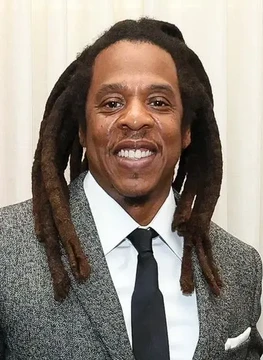
Tidal
A streaming revolution built on artist ownership and uncompromising sound quality.

Tidal is a global music streaming service founded by Shawn Carter, known professionally as Jay-Z, with the explicit mission to empower artists through fair compensation and ownership. Unlike traditional platforms that treat music like background noise, Tidal was built on the philosophy that musicians deserve a significant share of the revenue generated by their work. It serves as both a digital storefront for high-fidelity audio and a creative hub where artists can connect directly with fans without algorithmic interference.
- Founder
- Shawn Carter (Jay-Z)
- Industry Focus
- Music Streaming & Artist Empowerment
- Key Differentiator
- High-Fidelity Audio & Artist Ownership Model
- Notable Partnerships
- Universal Music Group, Sony Music Entertainment
- Status
- Active Global Platform
Lore & Background
Over time, the platform evolved into a sanctuary for high-fidelity audio enthusiasts and a collaborative space where producers trade stems and vocalists swap verses. By securing partnerships with major record labels while maintaining its core ethos of artist-first economics, it bridged the gap between independent visionaries and established industry powerhouses. The service became more than a library of songs; it transformed into a movement advocating for transparency in streaming revenue and the preservation of artistic integrity in an automated world. In 2021, Block (formerly Square) acquired a majority stake, reshaping its ownership structure while preserving its artist-friendly mission.
In Their Own Story
The studio lights hummed with a low, electric buzz as the final mix played through the high-end monitors, revealing every breath and brushstroke of the drum kit. Jay-Z stood by the window, watching the city skyline reflect off the glass, knowing that this track would soon reach millions without being diluted by compression algorithms. He imagined an artist in a small bedroom halfway across the globe hearing their work with crystal clarity, feeling the weight of fair compensation settle into their pocket. This was the promise kept: music heard as it was meant to be, owned by those who made it.
Reader's Guide
The history of Tidal began as a collective effort among top-tier musicians and producers who felt marginalized by existing streaming giants. Jay-Z spearheaded the initiative to create an alternative that prioritized artist equity over shareholder profit margins. Key figures in its development included not only Carter but also a roster of legendary collaborators—Beyoncé, Rihanna, Kanye West, Nicki Minaj, Alicia Keys, and Madonna—who invested their own capital and influence, signaling a unified front for industry reform. Their collective voice reshaped the conversation around digital rights. Strategically, the platform serves as a critical testbed for new business models in entertainment. By offering superior audio quality and exclusive content—like surprise album drops and behind-the-scenes documentaries—it differentiates itself in a crowded market while pushing for legislative changes that benefit creators across all genres.
Did You Know?
- The service was initially launched with a roster of 16 founding artist-owners—including Beyoncé, Rihanna, Kanye West, Alicia Keys, and Madonna, among others—who each held equity stakes in the company, effectively making
- While Tidal offers lossless, high-fidelity audio streaming with FLAC-encoded tracks, it did not pioneer this standard; services like Qobuz and Deezer had lossless tiers before Tidal.
- Major record labels did not acquire significant shares; instead, Block (formerly Square) acquired a majority stake in 2021, yet the platform maintained its focus on artist-friendly features, including direct tipping and
Origins and Corporate Evolution
Tidal began its journey as a rebranding of WiMP, a Norwegian streaming service established in 2010 that initially operated across several European nations. In October 2014, the parent company Aspiro officially launched Tidal in major markets including the United States, Canada, and the United Kingdom, supported by partnerships with numerous home audio manufacturers. The service's trajectory shifted dramatically in early 2015 when Project Panther Bidco Ltd., controlled by Jay-Z, acquired Aspiro for approximately $56 million. This acquisition led to a complete operational overhaul; original Swedish offices were closed, and the CEO was replaced as the platform relaunched with a new identity focused on artist ownership. Following this pivotal moment, Tidal saw further significant investment when Sprint Corporation purchased a 33% stake in January 2017. By mid-2022, Block held an 86.8% stake, solidifying its control over the streaming giant while allowing original artist stakeholders to retain their positions.
Artist-Centric Mission and Royalty Controversy
A defining characteristic of Tidal's launch strategy was its positioning as the first artist-owned streaming service, a claim heavily promoted following Jay-Z's acquisition. The platform marketed itself on the promise of paying the highest percentage of royalties to musicians and songwriters compared to competitors, aiming to rectify perceived inequities in the music industry. This value proposition was tied directly to higher subscription fees, with the theory that increased revenue would flow back to creators. However, this narrative faced scrutiny; while Tidal maintained its high-royalty stance in 2015, subsequent informal studies suggested other services might actually pay a larger percentage of their revenue. Despite these debates over financial transparency and the veracity of subscriber numbers reported around 2016, the service continued to emphasize direct partnerships with both major labels and independent distributors. The platform also introduced features like interactive official music credits in 2019, allowing users to identify specific contributors directly from label-supplied data, further reinforcing its commitment to artist recognition within the digital ecosystem.
Audio Fidelity and Technical Standards
Tidal distinguished itself in the crowded streaming market by prioritizing high-fidelity audio quality as a core product feature. In early 2017, the service partnered with Master Quality Authenticated (MQA) technology, claiming to deliver master-quality recordings at resolutions up to 96 kHz / 24-bit for its HiFi subscribers. For several years, Tidal was the exclusive streaming provider offering MQA, sourcing content from major entities like Universal Music Group and Warner Music Group. The technical landscape of the platform evolved significantly over time; by November 2021, CD-quality audio became standard across all paid plans, while MQA remained a premium feature for the HiFi Plus tier. Throughout these changes, Tidal maintained a catalog of over 100 million tracks and hundreds of thousands of music videos, available across 61 countries.
Operational Shifts and Strategic Pivots
The operational history of Tidal is marked by significant structural changes and strategic pivots in response to market demands. Early leadership saw rapid turnover, with Andy Chen replaced shortly after the Jay-Z acquisition, followed by Jeff Toig and later Richard Sanders. The platform expanded its offerings beyond streaming in September 2015 by selling digital downloads and CDs, a store that eventually closed in October 2022. In November 2021, Tidal introduced a free tier exclusively for the United States, marking a shift from its previous premium-only model to capture a broader audience.
Frequently Asked Questions
Who founded the streaming service Tidal?
Shawn Carter, known professionally as Jay-Z, established this platform to prioritize musician rights and fair compensation within the digital industry.
How does Tidal differ from other music apps?
It distinguishes itself by offering high-fidelity audio quality while ensuring artists receive a more significant share of streaming revenue than standard competitors.
What is the main mission behind Tidal's creation?
The service was built on the philosophy that creators deserve ownership and fair pay, aiming to shift power away from traditional corporate structures toward the musicians themselves.
Is Tidal still an active platform today?
Yes, it remains a functioning global streaming hub where fans can access music directly without heavy algorithmic interference.
Which major companies partner with Tidal?
The service has secured notable collaborations with industry giants like Universal Music Group and Sony Music Entertainment to expand its content library.
More in Labels & Ventures
Elsewhere in the Jay-Z universe
Spotted an error? Know more?
This is a living reference — every entry is fact-audited, and reader corrections feed straight into our audit queue. Suggest an edit · See this site's audit record