Roc Nation Records
From a Brooklyn bedroom to the boardroom: the label that turned one artist's hustle into a movement.

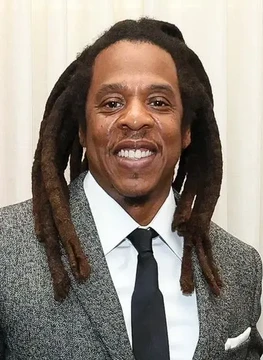
Roc Nation Records is the hip-hop label and talent company built by Shawn Corey Carter—known to the world as Jay-Z—out of the streets of Brooklyn, New York. What began in the mid-1990s as Roc-A-Fella Records, a scrappy imprint co-founded with Damon Dash and Kareem Burke, grew into one of the most influential forces in modern music, shaping the careers of artists like Kanye West, Alicia Keys, and Common before evolving into the broader Roc Nation brand in 2008. Today, Roc Nation is far more than a record label. It operates as a multi-disciplinary talent and business management company, handling music, sports, and entertainment under one roof. For fans, it represents the ultimate proof that the artist's vision can outgrow the studio: a blueprint for turning a microphone into an empire while keeping the creative core intact.
- Founder
- Shawn Corey Carter (Jay-Z), with Damon Dash and Kareem Burke (original Roc-A-Fella)
- Original name
- Roc-A-Fella Records (1995)
- Rebranded to Roc Nation
- 2008
- Headquarters
- New York City, New York
- Primary genre
- Hip-hop / Rap
- Notable roster (historical)
- Jay-Z, Kanye West, Alicia Keys, Common, Beanie Sigel, Cam'ron
- Status
- Active
Lore & Background
The story of Roc-A-Fella Records is inseparable from the story of Brooklyn in the mid-nineties. Jay-Z, Damon Dash, and Kareem Burke pooled what little capital they had and a network of connections in the borough to put out mixtapes and independent releases. The label's early sound was raw, street-level, and unapologetically New York. It gave a platform to a generation of artists who were being overlooked by the major labels of the time, and it established a reputation for quality and authenticity that would define its identity for years. As the roster grew, so did the label's cultural footprint. The pairing of Jay-Z with Kanye West on the label became one of the most consequential creative alliances in rap history, and the presence of Alicia Keys and Common added a dimension of songwriting and storytelling that broadened the label's appeal well beyond the hip-hop audience. Roc-A-Fella became synonymous with a particular era of New York rap—confident, lyrical, and commercially sharp. The 2008 rebrand to Roc Nation marked a deliberate expansion. No longer just a record company, the entity became a talent management and business platform, eventually adding sports representation and a wider entertainment portfolio. For fans, the rebrand symbolized Jay-Z's evolution from rapper to mogul, yet the creative DNA—New York grit, artistic control, and loyalty to the roster—remained the through-line. Roc Nation stands as a case study in how an artist can build an institution that serves the culture rather than merely exploiting it.
In Their Own Story
The studio lights hum at two in the morning. The air smells like cold brew and the particular ozone tang of a mixing board pushed past its limits. A producer slides a track across the console, and in the booth, the artist closes his eyes, tilts his head, and lets the words come out like they're being pulled from somewhere beneath the floorboards. Outside the glass, a label executive leans against the wall, arms crossed, nodding slowly. This is the room where Roc Nation was built—not in a boardroom, not in a press release, but in the small hours, in the argument over a snare hit, in the decision to let the artist take one more take. The city sleeps. The tape keeps rolling. And somewhere in Brooklyn, a kid who sold mixtapes on a corner is about to sign his name to a contract that will change the shape of the industry.
Reader's Guide
Roc-A-Fella Records was born in 1995 from a simple conviction: that the artists of Brooklyn deserved a home that respected their voice. Jay-Z, Damon Dash, and Kareem Burke started with almost nothing—studio time, a phone number, and a reputation earned through years of independent releases. The label's early years were defined by putting out music that sounded like the streets, not like a focus group. What it does: At its core, Roc Nation develops and manages musical talent, handling production, distribution, marketing, and creative direction. In its expanded form, it also represents athletes and manages business ventures, making it a full-service talent and entertainment company. Key people: Jay-Z remains the creative and business anchor. Damon Dash's early partnership helped establish the label's identity. Artists like Kanye West, Alicia Keys, and Common became defining voices of the roster, each bringing a different dimension to the label's sound. Peak moment: The late 1990s and early 2000s saw Roc-A-Fella at its creative zenith, with a roster that dominated both the charts and the cultural conversation. The label's influence on the sound and business model of hip-hop during that era is still felt today. Current status: Operating under the Roc Nation name, the company continues to sign and develop artists across genres while expanding into sports management and broader entertainment. It remains one of the most recognizable names in the music business, a living testament to the idea that an artist's vision can scale into an institution without losing its edge. The business move reflected the music career in the most direct way: every album Jay-Z released gave him the capital, credibility, and industry leverage to build the next layer of the company. The label funded the art; the art funded the label. That flywheel is the heart of the story.
Did You Know?
- Roc-A-Fella Records was co-founded by three people—Jay-Z, Damon Dash, and Kareem Burke—before the brand evolved into the solo-led Roc Nation.
- The label's early roster included artists who would go on to become some of the most influential figures in modern music, making it a launchpad for an entire generation.
- The 2008 rebrand from Roc-A-Fella to Roc Nation was not just a name change; it signaled a strategic pivot from a pure record label to a multi-industry talent and business management company.
- Roc Nation's New York roots are central to its identity—the label has consistently positioned itself as a guardian of the city's hip-hop heritage even as it operates on a global scale.
More in Labels & Ventures
Elsewhere in the Jay-Z universe
Spotted an error? Know more?
This is a living reference — every entry is fact-audited, and reader corrections feed straight into our audit queue. Suggest an edit · See this site's audit record